Documents Required for Pharmaceutical Export from Turkey
Which documents are required for pharmaceutical export from Turkey? The WHO-format CPP, free sale certificate, batch certificate and ITS export notification.
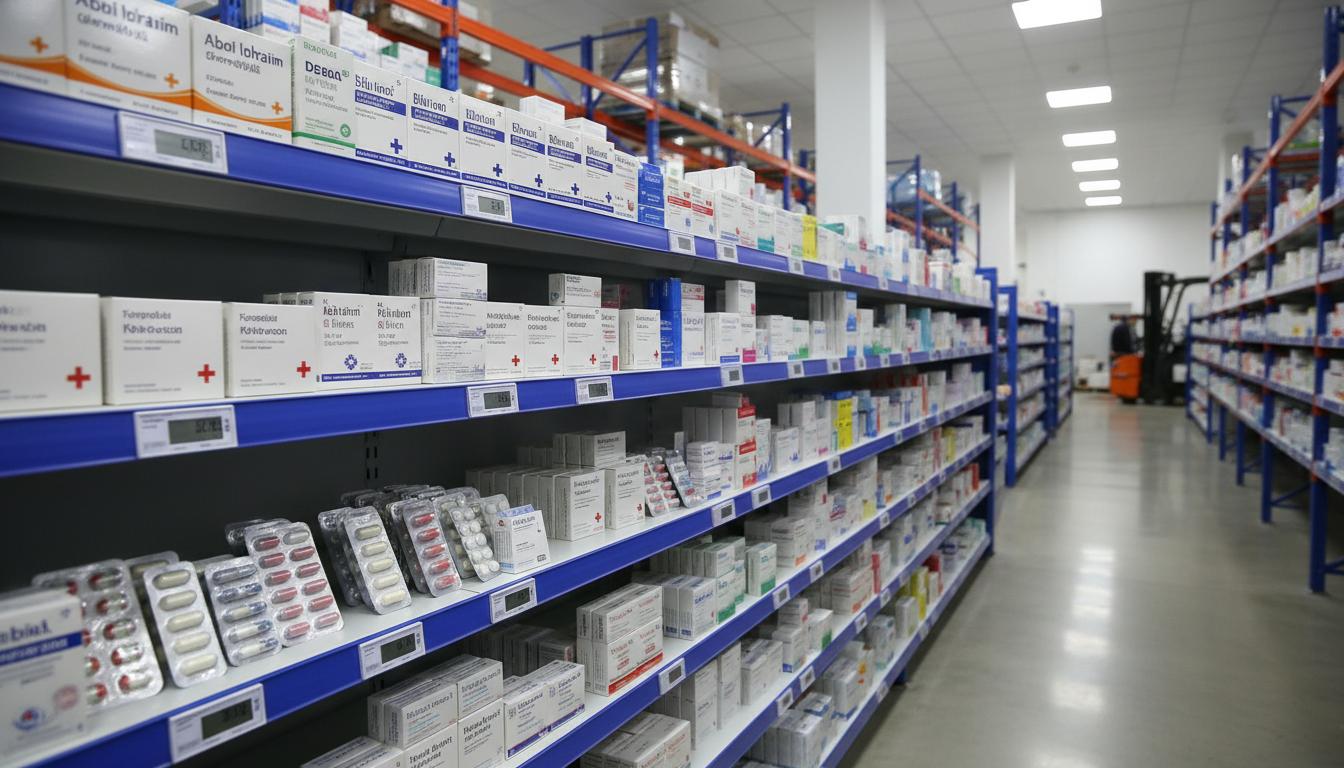
The core document required for pharmaceutical export from Turkey is the Certificate of a Pharmaceutical Product (CPP) in the World Health Organization (WHO) format, approved by the Turkish Medicines and Medical Devices Agency (TİTCK). Depending on what the importing country asks for, the file is completed with a Free Sale Certificate, a Statement of Licensing Status and the manufacturer's batch certificate. On top of that, the exporting company must be authorised under Turkish law and must report the shipment to the Turkish track-and-trace system, İTS. Below is what each document proves and which rule it rests on.
The CPP is the primary document of the WHO Certification Scheme on the quality of pharmaceutical products moving in international commerce, a voluntary international agreement in operation since 1969 (World Health Assembly resolution WHA22.50). TİTCK's guideline, in force since 1 February 2022, defines the CPP as a document in the WHO format showing the status of the product and of the applicant in the exporting country. Under the guideline, each certificate needs a separate application, the destination country is written in English and the documents use the name "Türkiye". The CPP and the Free Sale Certificate remain valid for two years from approval as long as the submitted information does not change. The Statement of Licensing Status only reflects the situation on its date of issue and covers at most ten products.
The second key quality document is the batch certificate. According to WHO guidance on implementing the Certification Scheme (TRS 1033, Annex 9), a batch certificate is normally issued by the manufacturer. It attests to the quality and expiry date of a specific batch and lists every release-specification parameter with its acceptance criteria and results. The same guidance notes that it is usually a mandatory element of tender and procurement documents. For controlled products, the TİTCK guideline requires the words "controlled substance" in the active-ingredient section of the CPP, and their shipment abroad also requires a separate export licence for controlled substances issued by the Ministry of Health.
The exporter's own legal status is part of the file too. Under Turkey's Regulation on Pharmaceutical Warehouses of 15 June 2022, pharmaceutical warehouses may export in line with the destination country's legislation, provided they make the required İTS notifications. The İTS export notification must match the documents showing the destination country and the buyer; export declarations and data-matrix records are kept, and records are retained for five years. For companies that are not pharmaceutical warehouses, TİTCK guideline EDIT-KLVZ-08 states that products cannot be exported without a valid export permit from the Agency. CSC exports Turkish-origin medicines to regional markets from a GDP-compliant warehouse; to request a quote, please fill in the Medicine Request Form on our website.
Source: TİTCK Guideline on Issuing the Certificate of Pharmaceutical Product, Free Sale Certificate and Statement of Licensing Status (titck.gov.tr); WHO TRS 1033 Annex 9, Guidelines on the implementation of the WHO Certification Scheme (who.int); Turkish Official Gazette No. 31867, 15 June 2022 (resmigazete.gov.tr); TİTCK guideline EDIT-KLVZ-08 on export conditions (titck.gov.tr).