GDP Cold Chain 2-8°C: Pharmaceutical Transport Rules
How should medicines move in a 2-8°C cold chain? WHO and EU GDP rules on temperature mapping, qualified packaging, calibrated monitoring and excursions.
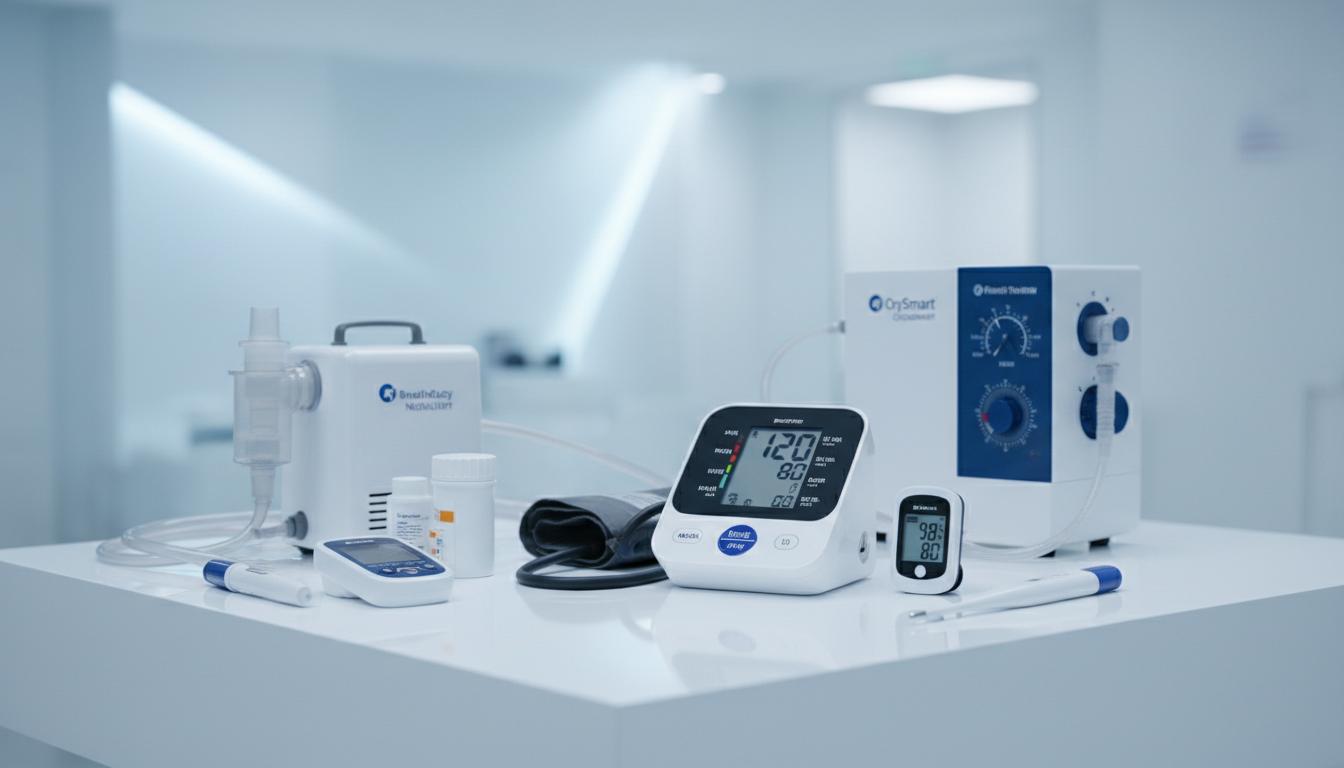
The basic rule of GDP cold chain pharmaceutical transport is that the storage condition on the product label must be maintained without interruption from the warehouse to the recipient. WHO's guideline on good storage and distribution practices (TRS 1025, Annex 7, 2020) gives 5 ± 3 °C, in other words 2-8°C, as the recommended limit for "store in a refrigerator". Under good distribution practice (GDP), holding that range rests on four pillars: temperature mapping of stores and vehicles, monitoring and recording with calibrated instruments, qualified packaging or vehicles, and documented handling of excursions.
For storage, WHO requires conditions that comply with the product labelling and manufacturer information, and heating, ventilation and air-conditioning systems that are properly designed, installed and qualified. Temperature mapping studies should be carried out in storage areas, refrigerators and freezers; temperature should be monitored at regular intervals, recorded and reviewed. Monitoring equipment must be calibrated, and mapping and monitoring records kept for the period required by national law. In Turkey, the 2022 regulation on pharmaceutical warehouses requires temperature and humidity records to be kept electronically.
For transport, the EU GDP Guidelines (2013/C 343/01, chapter 9.4) call for qualified equipment such as thermal packaging, temperature-controlled containers or temperature-controlled vehicles for temperature-sensitive products. Monitoring equipment in temperature-controlled vehicles should be maintained and calibrated at regular intervals, and temperature mapping should be performed under representative conditions, taking seasonal variations into account. TİTCK's export guideline adds that ice packs must not touch the product directly and that a temperature excursion or product damage in transit must be reported to the distributor and the recipient. WHO also advises special care with dry ice and liquid nitrogen.
Importing countries have their own rules as well: in Kazakhstan, for example, storage and transport of medicines follow the rules approved by Ministry of Health Order No. ҚР ДСМ-19 of 16 February 2021. A sound buyer practice is to ask the supplier for mapping and qualification evidence, shipment temperature records and the written deviation procedure; the EU GDP Guidelines also expect this information to be given to customers on request. CSC delivers Turkish-origin medicines to the region with GDP-compliant warehousing and a 2-8°C cold chain; to request a quote, fill in the Medicine Request Form on our website.
Source: WHO TRS 1025 Annex 7, Good storage and distribution practices for medical products (who.int); EU Guidelines on Good Distribution Practice 2013/C 343/01 (eur-lex.europa.eu); Turkish Official Gazette No. 31867, 15 June 2022; TİTCK EDIT-KLVZ-08 (titck.gov.tr); Kazakhstan Ministry of Health Order ҚР ДСМ-19 (adilet.zan.kz).