Expired cancer drug probe in Türkiye: raids in 11 provinces, 22 detained
Prosecutors in Istanbul say expired cancer drugs were repackaged and resold at home and abroad; 22 suspects were detained in raids across 11 provinces.
What happened
On 2 November 2026, police carried out simultaneous raids in 11 provinces, centred on Istanbul, as part of an investigation run by the Bakırköy Chief Public Prosecutor's Office. According to a social media post by Justice Minister Akın Gürlek and a statement from the prosecutor's office, investigators identified 24 suspects, 3 of them public officials. Of these, 22 were detained and efforts are continuing to locate the remaining 2. The Istanbul Provincial Police Directorate took part in the operation, and 4 companies and 5 business premises were also identified.
How the alleged scheme worked
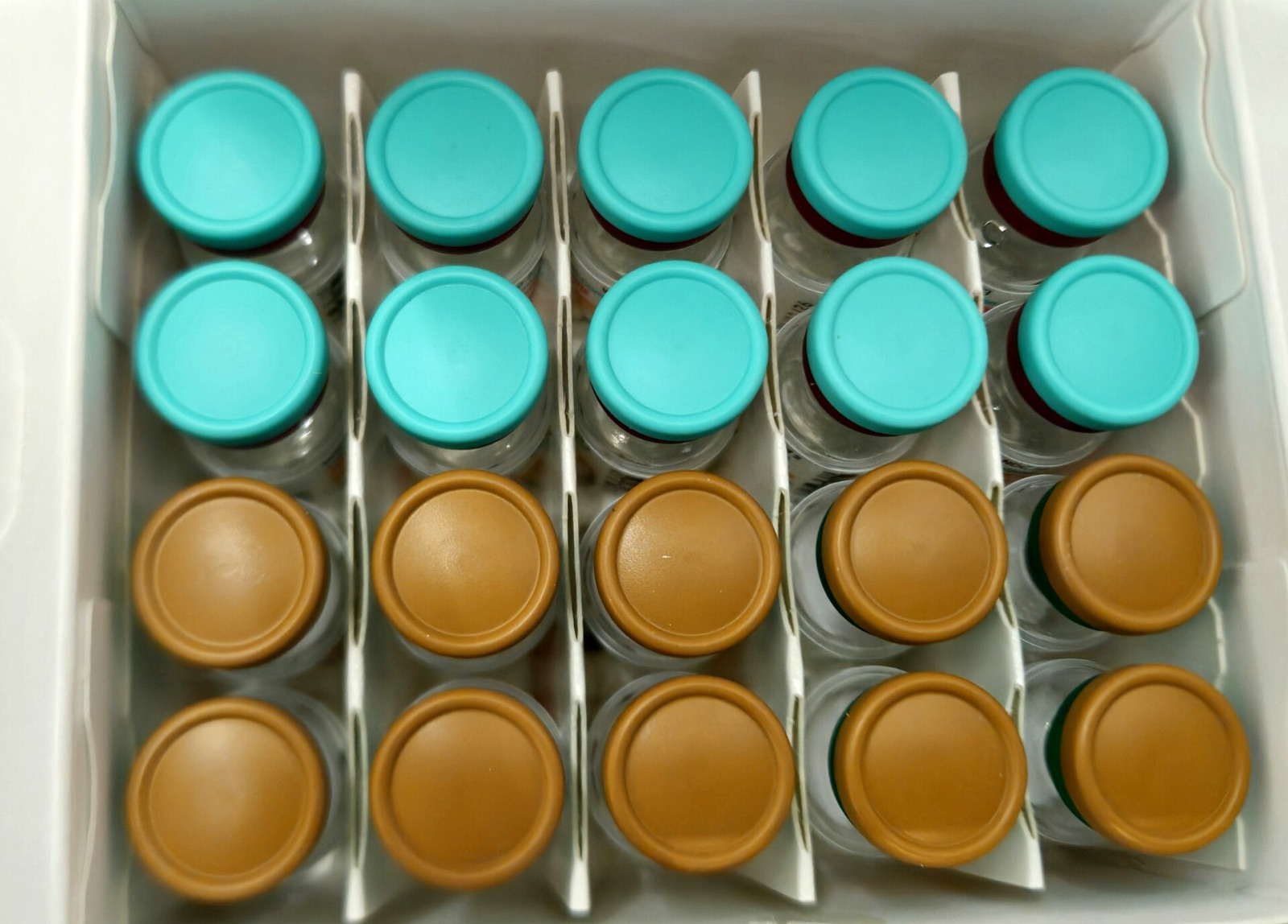
Investigators allege that the suspects changed the packaging and boxes of cancer medicines whose expiry dates had passed, put them back on the market and offered them for sale both in Türkiye and abroad. The prosecutor's statement, as reported by Cumhuriyet, says the medicines were obtained from hospitals, given new packaging and patient leaflets so they would appear unexpired, and that the suspects include healthcare workers and pharmacists. The products have not been identified by name or active ingredient. All of this remains an allegation at this stage, and no court has ruled on the suspects.
Scale and seizures
Financial checks put the combined transaction volume of the suspects and companies at about 650 million lira, and officials said these money flows did not match their declared business activities. The figure is a transaction volume; the sources do not present it as a confirmed loss or attribute it to any particular institution. According to NTV and Gazete Oksijen, searches turned up 300,000 lira, 54,000 euros and 110,000 dollars in cash, 110 grams of gold, 5 bracelets and 3 other gold items, along with a large quantity of medicines and documents. Movable and immovable property and bank accounts believed to derive from the alleged offences were also seized. Judicial proceedings for the detained suspects are ongoing.
Why it matters for patients
An expiry date marks the period during which a manufacturer vouches for a medicine's efficacy and safety; hiding it leaves patients unable to know what they are taking. The World Health Organization warns that substandard and falsified medical products can cause serious health risks, treatment failure and even death, and that the problem reaches life-saving products such as cancer therapies. According to the WHO, at least 1 in 10 medicines in low- and middle-income countries is substandard or falsified, and the organisation highlights the risks of buying medical products from unauthorised sources. Patients with doubts about a medicine should not stop treatment on their own but should speak to their doctor or pharmacist.
How the legitimate supply chain protects
In Türkiye, medicines for human use are tracked through the İlaç Takip Sistemi (İTS), the pharmaceutical track-and-trace system operated by the Turkish Medicines and Medical Devices Agency (TİTCK). The 2D code (karekod) on every pack carries the product code, serial number, batch number and expiry date. Each change of hands, from manufacturer to pharmaceutical warehouse and on to the pharmacy, is reported to the system, so a pack's origin and destination can be traced back. The basic rule of safe sourcing follows from this: medicines should be bought only from TİTCK-licensed warehouses and authorised channels.
For buyers in Azerbaijan, Kazakhstan and Uzbekistan — Importers and pharmacies sourcing Turkish-origin medicines should ask for batch and serial number documentation, a certificate of analysis (CoA), the supplier's licence details and proof of İTS-registered origin with every shipment. Mismatches between packaging and paperwork, packs that look relabelled and prices well below the market should be treated as warning signs. At CSC, we source only TİTCK-licensed products through an İTS-registered supply chain.
Source: Bakırköy Chief Public Prosecutor's Office statement, via Cumhuriyet (2 November 2026); NTV (2 November 2026); Gazete Oksijen (2 November 2026); Sabah (2 November 2026); Haberler.com (2 November 2026); World Health Organization fact sheet "Substandard and falsified medical products".